Planning a corporate event often starts with a single number handed down from leadership. Maybe it's for an annual awards night, a client appreciation party, a product launch, or a half-day training. Whatever the occasion, that number has to cover a lot more than most people realize, and the line items you forget are the ones that come back to haunt you when the invoices arrive.
A well-built budget does more than prevent overspending. It helps you make confident decisions, justify costs to stakeholders, and deliver an event that reflects well on your company. This guide breaks down the essential categories every corporate event budget should include, from the venue and technology to food, staffing, and the easily forgotten details that can derail an otherwise great plan.
Quick Answer: A corporate event budget should include the venue, AV and technology, food and refreshments, decor and branding, staffing, and a contingency fund of about 10 percent. Build it from real quotes, and choose a venue that includes furniture and AV to free up money for other priorities.
What Are the Main Parts of a Corporate Event Budget?
Every corporate event budget, no matter the size, is built from the same basic categories. There's the space itself, the technology that makes presentations and announcements work, the food and guest experience, and the people and contingencies that keep everything running smoothly. Understanding these categories before you start requesting quotes keeps your planning organized and helps you spot gaps early.
The relative weight of each category depends on your goals. A training seminar might spend the most on AV and materials, while a client appreciation dinner might put most of its budget into food and atmosphere. A product launch could lean heavily on presentation technology and staging. Before you assign any dollar amounts, define what success looks like for your event, because that answer tells you where your money will have the most impact.
It also helps to build your budget from the bottom up rather than dividing a fixed total by percentages. List every item you'll need, get real quotes, and then compare the sum to your approved budget. This approach reveals where you have room to upgrade and where you'll need to make tradeoffs. Companies in Provo, UT and throughout Utah County often find that a flexible venue with included amenities frees up meaningful room in the rest of the budget.
How Should You Budget for a Corporate Event Venue?
Budget for the total cost of making a space work, not just the rental rate. The venue is usually the foundation of your budget, and the right choice can reduce costs in nearly every other category. When comparing venues, look beyond the rental rate to the total cost of making the space work for your event. A cheaper room that requires you to rent furniture, sound equipment, and staff separately can easily cost more than a venue that includes them.
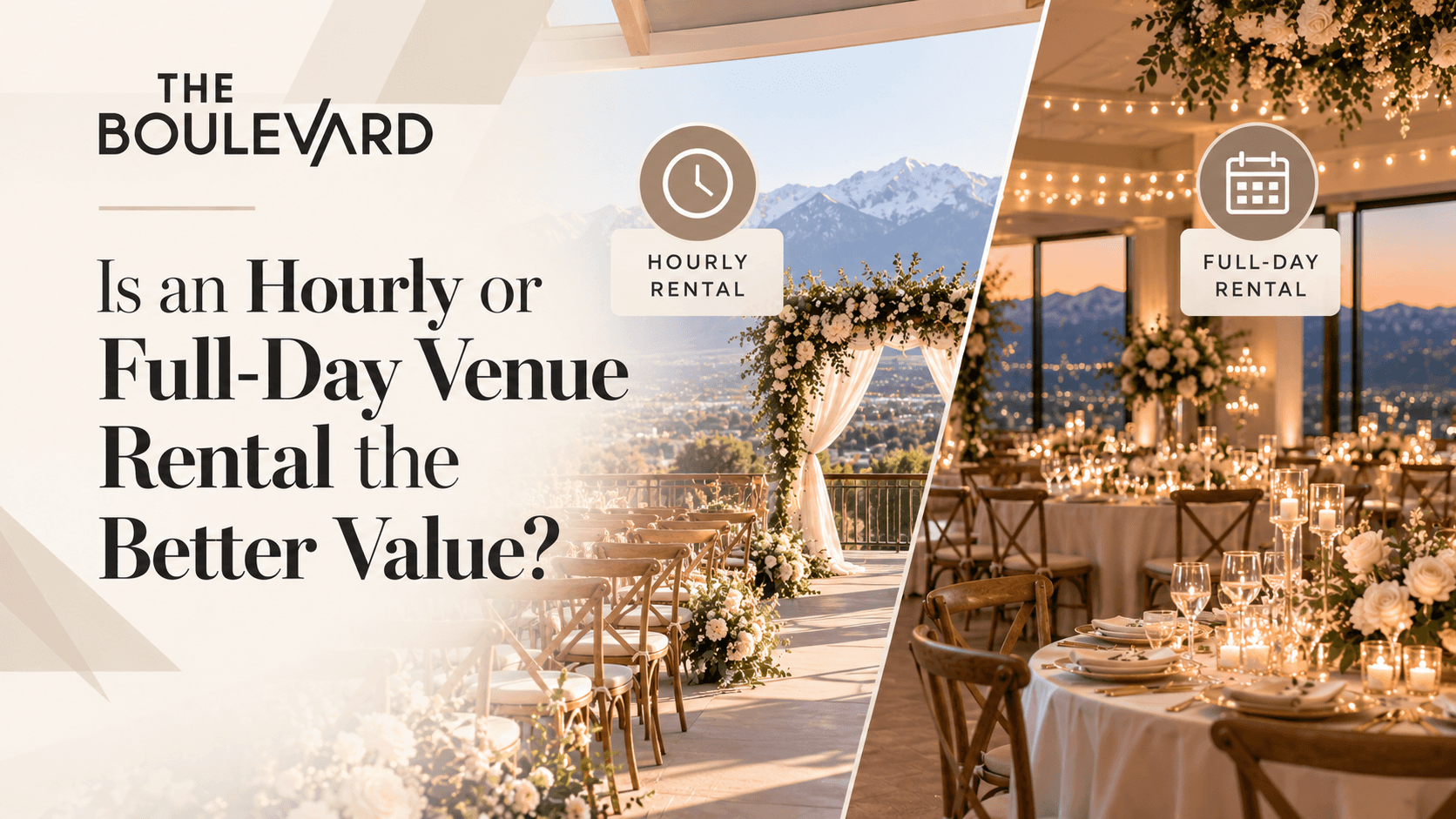
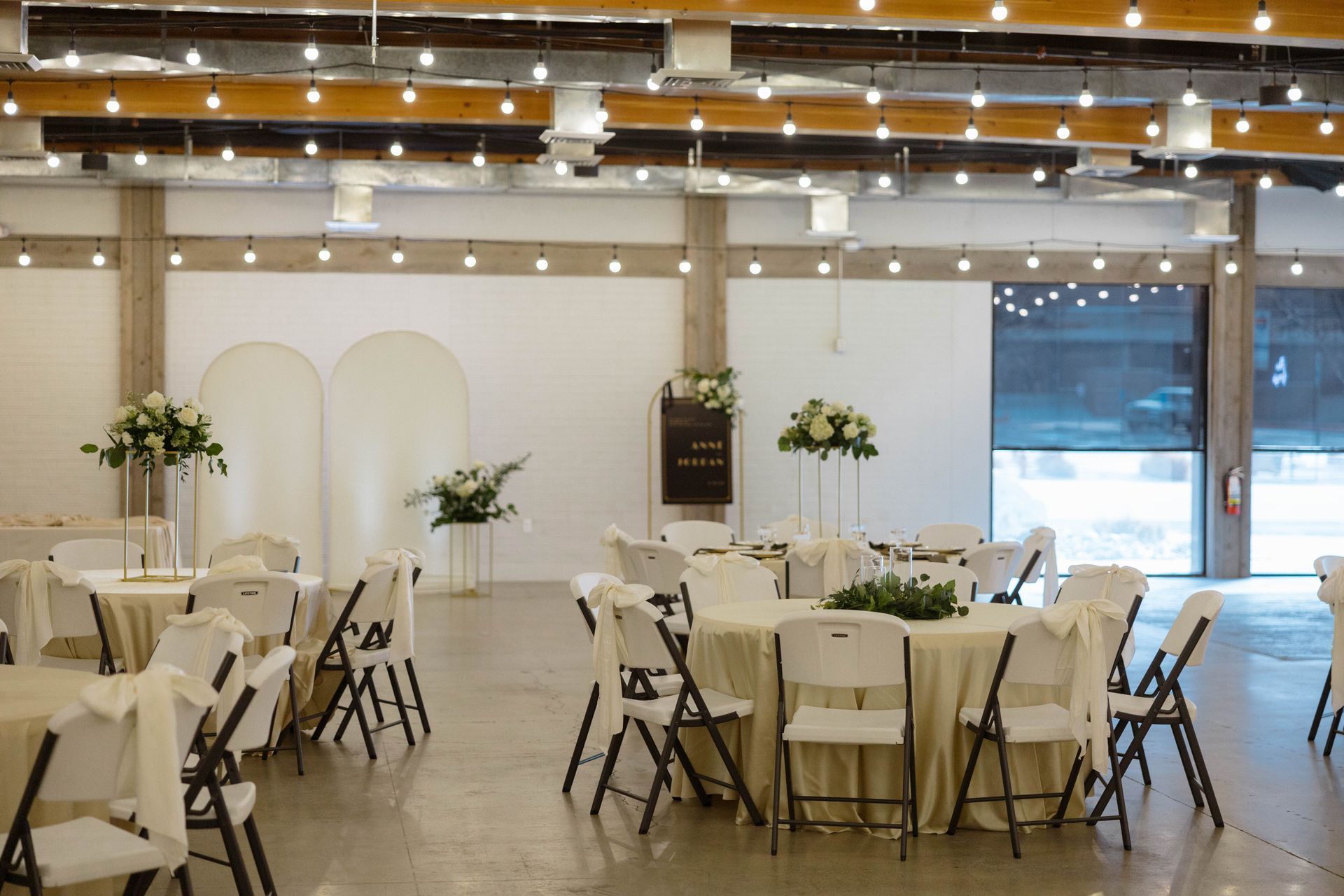
Timing makes a major difference as well. Many venues charge less on weekdays, which aligns naturally with corporate schedules. At The Boulevard in Provo, UT, for example, a full-day rental on Monday through Thursday is $1,400, compared with $2,000 on Friday or Saturday. That full-day rate includes tables, chairs, setup and takedown based on your layout, a PA system with a microphone, a portable TV with Apple TV, prep kitchen space, and an on-site manager.
Capacity and layout should guide your choice too. A venue with 8,200 square feet of flexible space and an additional 3,300-square-foot lounge can host a keynote, breakout conversations, and a networking reception without moving to a second location. Abundant on-site parking is another hidden value, since paid parking or shuttles can quietly become a significant expense for larger groups.
What AV and Technology Costs Should You Include?
Include sound, microphones, screens, staging, internet access, and rehearsal time in your AV budget. Technology problems are among the most visible ways a corporate event can go wrong, so budget carefully for the equipment your program requires. Start with a clear picture of how information will be shared during the event. Make sure your budget accounts for these common technology needs:
- A sound system with enough microphones for every speaker, panelist, and audience Q&A segment.
- Screens or TVs for presentations, videos, and branded slides, with the right cables and adapters for your laptops.
- Additional displays for overflow areas, lobbies, or breakout spaces.
- Stage or riser setup so presenters are visible to the entire room.
- Wireless internet access and a plan for presenters who need reliable connectivity.
- A technical rehearsal block before guests arrive to test every device and presentation.
What Food and Guest Experience Costs Belong in the Budget?
Meals, refreshments, decor, branding, and attendee extras make up the guest experience portion of your budget. What guests eat, drink, and experience shapes how they remember your event. These costs vary widely based on the time of day, length of the program, and the impression you want to make.
Meals and Refreshments
Match your food plan to the schedule. Morning events may only need coffee, juice, and pastries, while full-day sessions require breakfast, lunch, and afternoon snacks. Evening events often call for a full dinner or substantial appetizers. Venues in Provo, UT that allow outside catering let you compare quotes and choose the caterer that fits your budget and menu.
Decor and Branding
Branded signage, banners, table displays, and printed materials help reinforce your company's message. Budget for design, printing, and any linens or centerpieces that match your brand colors.
Attendee Experience Extras
Name badges, swag bags, photo backdrops, entertainment, and awards can elevate an event, but they add up quickly. Prioritize the extras that support your event goals and trim the ones that don't.
What Corporate Event Costs Do Teams Forget in Provo, UT?
Staffing, photography, speaker costs, extra hours, cleanup, and a contingency fund are the costs teams most often underestimate. These are the costs that rarely appear on early drafts but almost always show up on the final bill. Make room in your budget for the following items:
- Event staff for registration, guest check-in, and wayfinding.
- Photography or videography to capture content for marketing and internal communications.
- Speaker fees, travel, or thank-you gifts for presenters.
- Extra rental hours if setup, rehearsal, or networking runs longer than planned.
- Cleanup supplies and trash removal if your venue expects clients to handle them.
- A contingency fund of roughly 10 percent of the total to cover last-minute changes.
Frequently Asked Questions
How do I get leadership to approve an event budget?
Tie every major expense to a clear business goal, such as client retention, employee engagement, or lead generation. Presenting a few options, like a basic, standard, and premium version, helps decision-makers see what each level delivers. Including expected outcomes and how you'll measure them strengthens your case.
How far in advance should we start planning a corporate event?
For most mid-size corporate events, starting three to six months out gives you time to secure a venue, book vendors, and promote the event. Larger events and those during busy seasons may need even more lead time. Starting early also gives you more negotiating power with vendors.
Are corporate event expenses tax deductible?
Some business event expenses may be deductible, but the rules depend on the type of event, who attends, and how the costs are categorized. Because tax rules change and vary by situation, talk with your company's accountant or tax advisor before assuming any expense qualifies.
How do we measure the return on a corporate event?
Decide on your success metrics before the event, such as attendance, new leads, survey satisfaction scores, or deals closed afterward. Collect data through registration, post-event surveys, and follow-up tracking. Comparing results against your total cost helps you plan smarter budgets for future events in Provo, UT.
Should we hire an event planner for a corporate event?
An event planner can be worth the cost for large, complex, or high-profile events, especially if your team lacks time or experience. Planners often have vendor relationships that can offset part of their fee. For smaller events with a clear plan, an organized internal team and a helpful venue manager may be all you need.
Conclusion
A strong corporate event budget accounts for every major category: venue, technology, food and guest experience, staffing, and a contingency fund for the unexpected. Building your budget from real quotes and prioritizing spending around your event goals will help you deliver a polished experience without surprises.
The Boulevard in Provo, UT offers weekday rates, included AV and furniture with full-day rentals, flexible space for presentations and networking, and abundant on-site parking. Every booking also supports iHub, a local nonprofit helping young entrepreneurs bring their ideas to life, which is a story many companies are proud to be part of. Reach out to schedule a tour and see how the space could fit your next corporate event.