How to Organize a Community Event That Brings People Together
Bringing a community together through an event is a rewarding way to foster connections, support local causes, and create lasting memories. Whether you're planning a
fair, fundraiser, or social gathering, careful planning ensures a smooth and engaging experience for everyone involved. Here’s a step-by-step guide to organizing a successful community event that leaves a lasting impact.
1. Define Your Purpose
Before diving into logistics, clarify the goal of your event. Are you raising funds for a local cause, promoting local businesses, or simply creating an opportunity for neighbors to connect? Your purpose will guide your decisions on
venue, vendors, entertainment, and marketing.
2. Choose the Right Venue
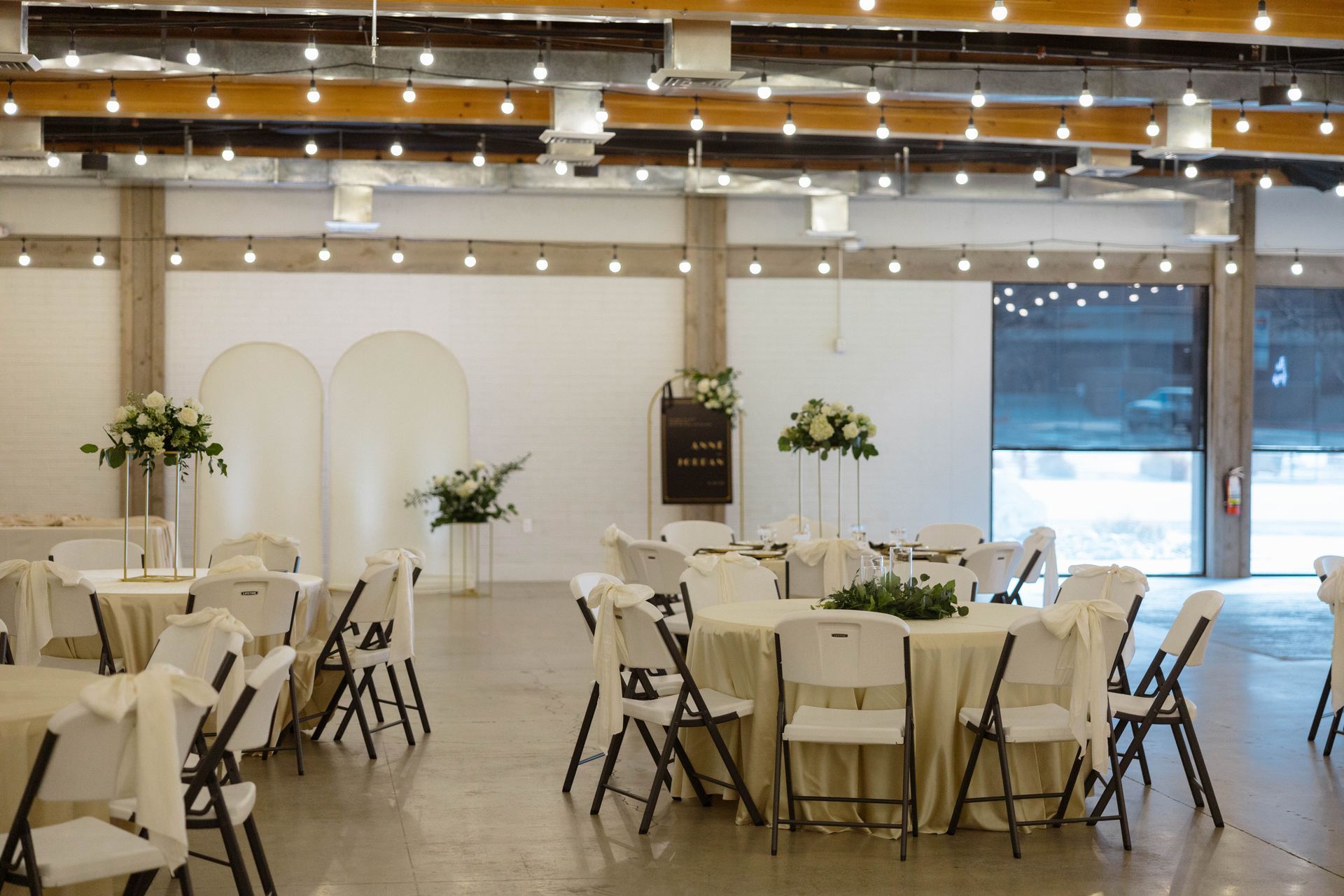
Selecting the perfect venue is crucial for attendance and accessibility. An
indoor event space offers
weather-proof reliability,
ample parking, and a
comfortable environment for guests. A
versatile venue allows you to host anything from
vendor markets and charity auctions to cultural festivals and networking events.
3. Plan Engaging Activities
People attend community events for entertainment, networking, and fun! Consider these activity ideas to keep attendees engaged:
- Live performances (local bands, dance groups, or guest speakers)
- Interactive booths (food tastings, crafts, or educational exhibits)
- Games and contests (raffles, trivia, or talent shows)
- Networking spaces (casual seating areas for socializing)
4. Partner with Local Businesses & Organizations
Collaborating with local vendors, artists, and businesses can add value to your event while strengthening community ties. Partner with:
- Food vendors to offer a variety of meal and snack options
- Local artists and musicians to showcase talent
- Nonprofits to promote a cause and drive donations
- Small businesses for sponsorships or giveaways
5. Spread the Word with a Strong Marketing Plan
A well-promoted event attracts a larger audience. Use multiple marketing channels to maximize reach:
- Social Media – Create an event page, post updates, and encourage attendees to share
- Flyers & Posters – Display them at local businesses, libraries, and community centers
- Word of Mouth – Encourage volunteers, vendors, and community leaders to spread the news
- Local Media – Send press releases to newspapers, radio stations, and community websites
6. Coordinate Volunteers & Staff
A dedicated team ensures your event runs smoothly. Assign roles for:
- Registration & check-in
- Setup & cleanup
- Guest assistance & crowd management
- Vendor coordination
7. Plan for Safety & Accessibility
Make sure your event is
welcoming and accessible for all guests. Consider:
- Clear signage for parking, restrooms, and activity areas
- Wheelchair accessibility and seating options for guests with mobility needs
- First aid stations in case of emergencies
8. Capture the Moments & Gather Feedback
Document your event with photos and videos to share on social media and use for future promotions. After the event, ask attendees and vendors for feedback through a survey to improve your next gathering.
Final Thoughts
Organizing a community event is a rewarding experience that brings people together, supports local businesses, and fosters lasting connections. By choosing the right venue, planning engaging activities, and spreading the word effectively, you can create an event that strengthens your community and becomes an annual tradition.